Hello! I borrowed today’s title from a British game show. Its players were quizzed on information they’d already heard in each episode… If they were paying attention.
Writing requires me to be precise about my meaning, because I’m not there in person to clarify. You know that puzzled expression people can display during a conversation? No? Lucky you. I get it fairly often. Comes from trying to cram in too many details. I should know better, since writers continually get warned against using too much backstory.

In the interest of clear communication, I recognize that not everything is meant to be taken literally. As a Canadian, I often embody our national cliché of being super polite. My partner teases me about saying “Sorry” so much. To which I reply, “Sorry.” But here’s the thing. “Sorry” isn’t always a statement of intense sorrow or culpability. It’s frequently more of an “Oops.”

When learning a new language, you’ll encounter phrases that carry more than their face value. I ran into this both times that I used Duolingo. See that? There was no collision. And so far, I’ve never injured friends whom I’ve unexpectedly “run into.” Likewise, there’s no vertical velocity when they “drop in.” Nor does “thinking outside the box” imply that you exist inside a cube. We understand these sayings in context, without the use of endless air quotes.
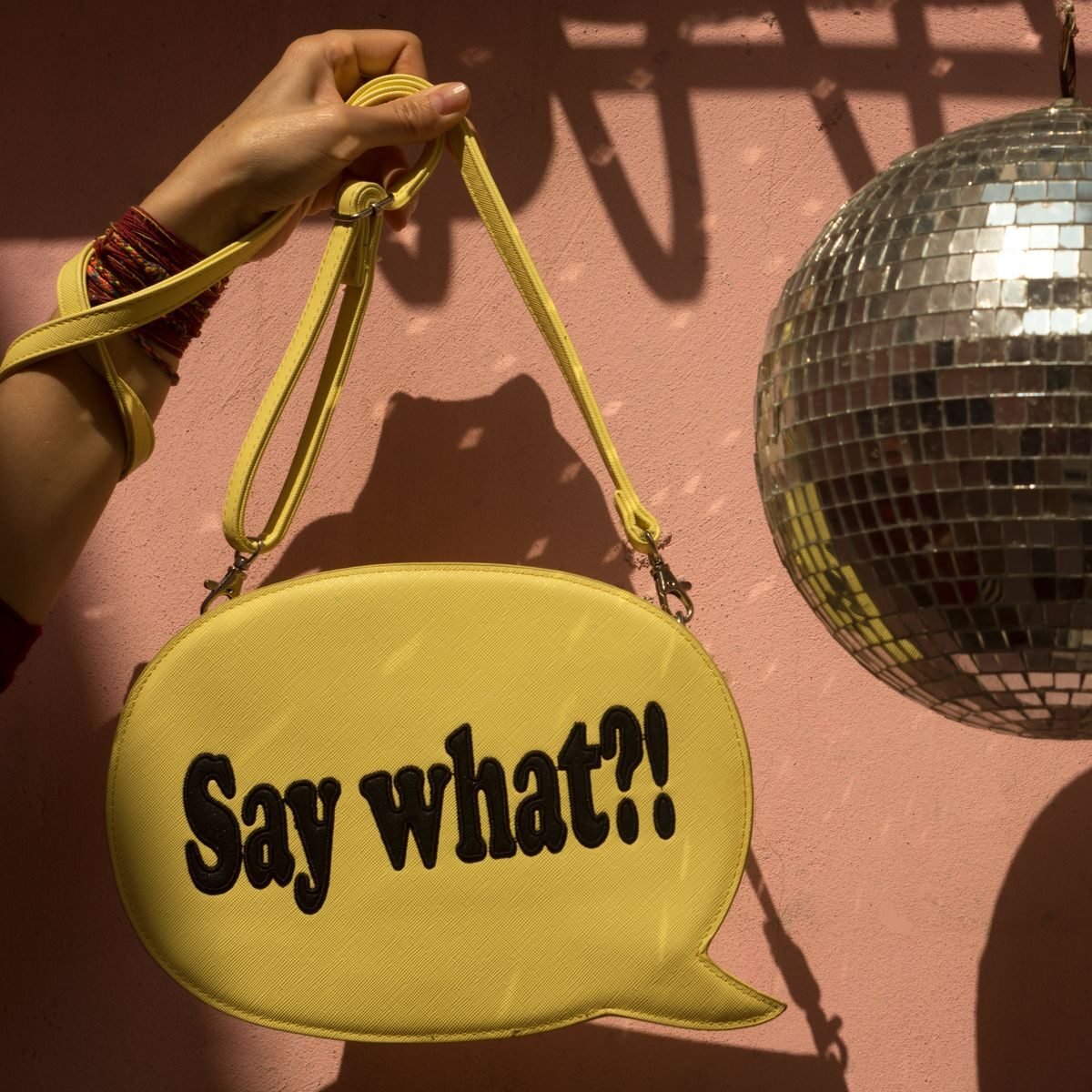
This fascinates me: The better someone connects with you, the more liberty you both enjoy. Ever listen to two buddies chatting? Maybe women also do this, but guys are famous for it. At some point, they’ll trade insults. You can almost gage how close they are by the intensity of the exchange. In my debut novel, the main character is a bit of an outcast. So is his friend, but for entirely different reasons. While they work, the insults fly. Yet they never hesitate to express deep support when difficulty arises, which it frequently does. The hero reflects that his friend’s jesting “provided the welcome illusion that they were still carefree youths. If only for a moment.”

Fantasy aside, I need to carry this into real life. When somebody says something that sounds off, do I need to immediately take offense? Probably not. Yes, there’s a lot of needless contempt getting hurled around in our world. But why assume the worst? Maybe I can stop and listen for what they actually meant, beneath their words. None of us says everything perfectly.

Thanks for dropping in. I hope your landing was worth it! Hope to see you here next week.
Ciao for now,
Kai